Peak usage periods are when recovery spaces face their greatest test. From January membership surges to intensive training blocks, demand for recovery rises sharply. For gyms, wellness centres, and performance facilities, these periods reveal whether recovery infrastructure has been designed for true commercial use.
Facilities that prepare recovery spaces for peak usage periods protect performance outcomes, maintain member confidence, and safeguard long-term revenue.
Why Peak Periods Expose Weak Recovery Systems
High-demand periods bring increased bather loads, shorter turnaround times between sessions, and greater wear on equipment. During these phases, recovery systems are expected to perform continuously, often with minimal downtime.
Consumer-grade or under-specified setups may function adequately during quieter months, but peak usage quickly exposes their limitations. Inconsistent temperatures, overcrowding, hygiene challenges, and operational strain can all undermine the recovery experience when members rely on it most.
Peak periods don’t create problems, they reveal them.
Output Becomes Critical
When demand rises, output becomes a defining factor. Facilities must support multiple users efficiently without creating hold-ups or disrupting member flow.
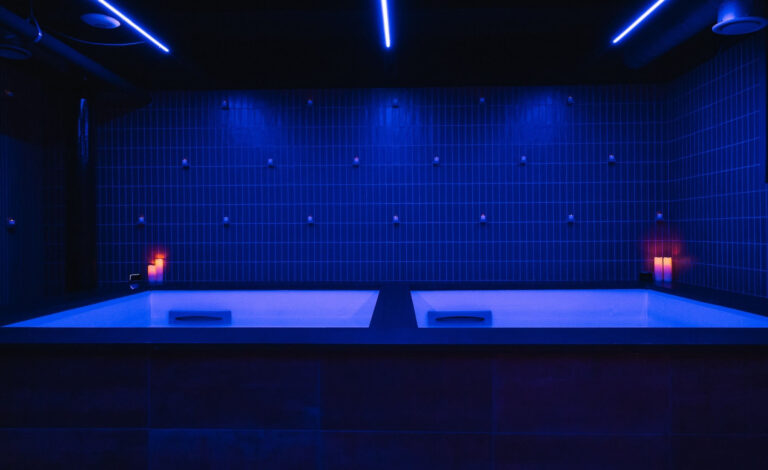
Multi-user ice bath systems allow gyms and performance environments to maximise access during busy times, ensuring recovery remains available to individuals, teams, and group sessions alike. In contrast, single-user setups restrict capacity, limit utilisation, and can quickly frustrate members when demand peaks.
Designing recovery around flow and not just function, is essential for commercial viability.
Automation Reduces Operational Strain
Peak periods often coincide with reduced staff availability and increased workload across the wider facility. Recovery systems that rely on manual operation place unnecessary pressure on teams already stretched thin.
Automated temperature control, filtration, and dosing ensure consistent recovery experiences without increasing operational difficulty. Automation allows recovery spaces to perform reliably, even when staff resources are limited, ensuring quality remains consistent regardless of demand.
Hygiene and Compliance Under Heavy Use
Higher usage naturally increases hygiene demands. Sweat, lotions, and organic matter accumulate more rapidly during peak periods, placing strain on water quality and filtration systems.
Commercial-grade filtration and sanitation are essential to maintain safe, clear water under continuous use. These systems protect compliance, extend equipment lifespan, and preserve member confidence in the recovery space. In high-traffic environments, hygiene is not just a technical requirement, it is central to trust and retention.
Protecting Member Experience
Peak usage periods represent the greatest opportunity, yet the greatest risk. Downtime, poor recovery experiences, or overcrowded spaces can negatively impact satisfaction and retention at critical moments in the member journey.
Facilities that invest in professional, scalable recovery infrastructure ensure recovery remains accessible, effective, and reliable year-round. By preparing recovery spaces for peak usage periods, operators protect revenue streams, strengthen retention, and reinforce their position as performance-led facilities.
Planning Recovery for Long-Term Success
Recovery is no longer an optional add-on. As member expectations evolve, recovery spaces are becoming core infrastructure within modern gyms and performance environments.
Preparing for peak demand ensures recovery systems deliver when they matter most, supporting performance, operations, and commercial outcomes alike.
Final Thought
Peak usage periods are where professional recovery systems prove their value. Facilities that plan ahead don’t just survive peak demand, they benefit from it.