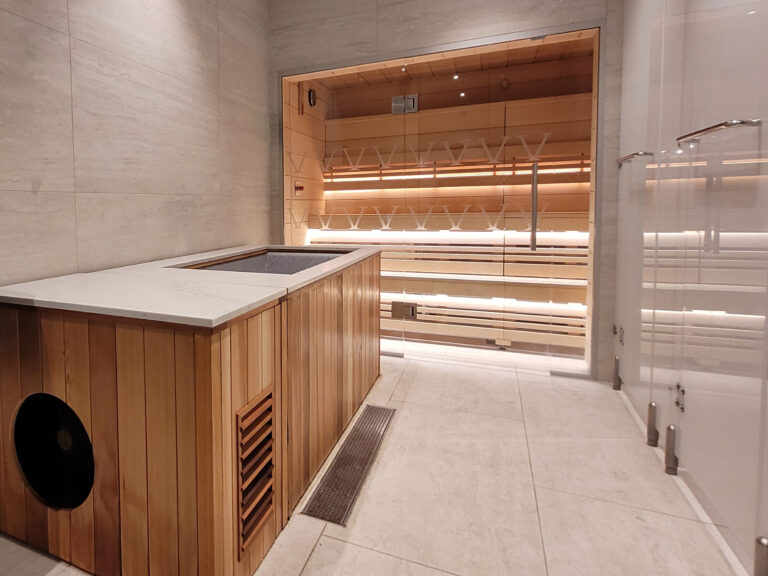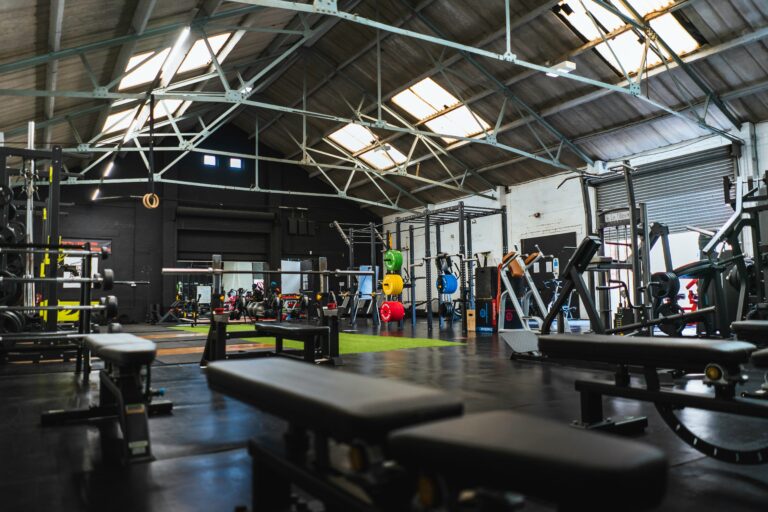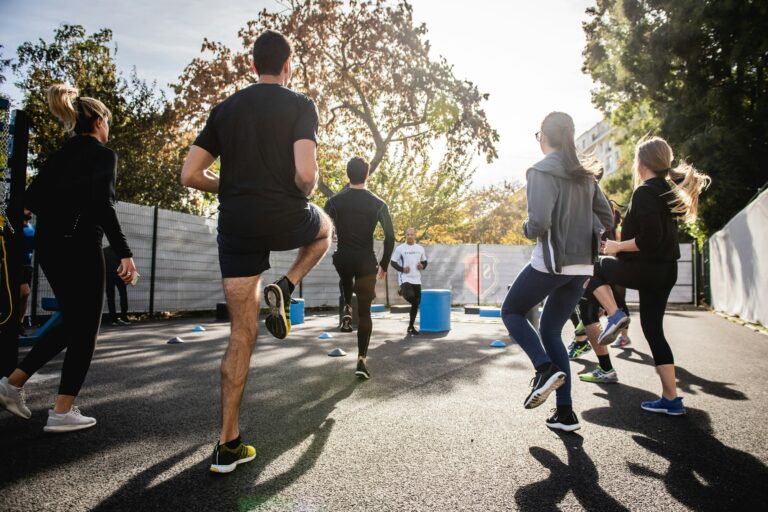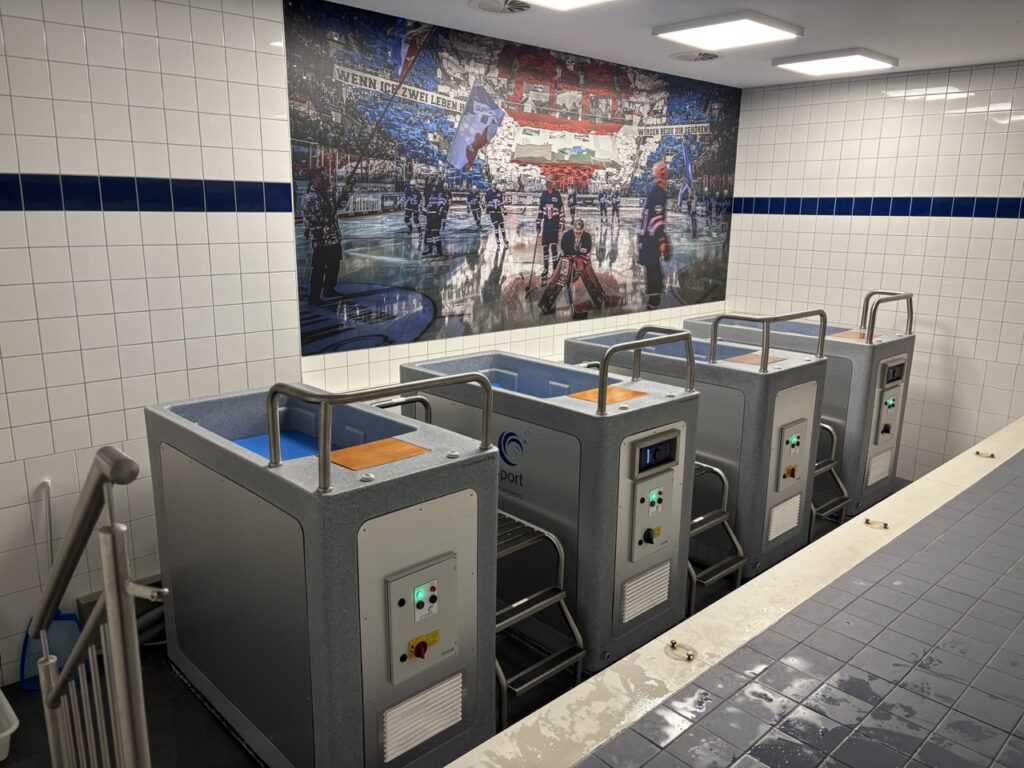
Contrast therapy, the process of alternating between hot and cold treatments, is increasingly recognised as a powerful recovery method in elite sport and wellness. By stimulating the body’s natural vascular responses, it promotes circulation, reduces inflammation, and accelerates healing.
During the hot phase, vasodilation widens blood vessels to relax muscles and enhance blood flow. The cold phase, triggers vasoconstriction, narrowing the vessels to limit swelling and flush out waste. This temperature contrast supports faster recovery and improved performance readiness. In this blog, we explore why so many professional teams, gyms, and wellness facilities are integrating this evidence-based approach into their recovery systems and how it’s shaping the future of performance management
In this blog, we explore why so many professional teams, gyms, and wellness facilities are integrating this evidence-based approach into their recovery systems and how it’s shaping the future of performance management.
How To Do It
The most common approach to contrast therapy involves alternating between short periods of heat and cold exposure. Typically, individuals spend 1 to 3 minutes in hot water followed by 1 to 2 minutes in cold water. This cycle is then repeated three to four times to maximise the vascular response.
It’s common practice to end the session with the cold phase, as this helps to close the pores, tighten the skin, and leave the body feeling refreshed before dressing. This finishing step can also help reduce residual inflammation or soreness following physical activity.
How It Works
The alternation between warm and cold exposure causes the body to move between vasodilation and vasocontraction, creating a pumping effect in the circulatory system improving blood flow and reducing inflammation. Additionally, it also engages the body’s autonomic nervous system, which reduces stress and increases overall resilience.
During warm exposure, the body produces heat shock proteins (HSPs), which assist in cellular repair, protect against oxidative stress, and enhance muscle recovery. Cold exposure, on the other hand, activates cold shock proteins, which play a crucial role I brain protection and cellular resilience. Together, these boost circulation, enhance metabolic health, and speed up recovery, making contrast therapy a powerful wellness tool.
Benefits
Beyond its physical advantages, contrast therapy also delivers significant psychological benefits. The controlled exposure to temperature extremes activates the body’s stress response in a way that enhances mental resilience, focus, and overall wellbeing. Regular practice can help improve mood regulation, increase tolerance to stress, and support recovery not just in the body, but in the mind as well.
Reduced Inflammation: Cold exposure causes vasoconstriction, which helps reduce inflammation, swelling, and muscle soreness following intense activity. This process limits fluid accumulation in tissues, helping athletes and clients recover faster after exertion or injury.
Accelerated Recovery: Alternating between heat and cold enhances circulation and the removal of metabolic waste products such as lactic acid. This increased blood flow supports faster muscle repair and recovery, reducing downtime between training sessions or treatments.
Muscle relaxation and reduced stiffness: The heat phase promotes vasodilation and increases tissue elasticity, relaxing tight muscles and easing joint stiffness. When followed by cold immersion, it further relieves soreness, creating a balanced recovery effect that restores comfort and mobility.
Improved circulation: Repeated exposure to contrasting temperatures acts as a form of “vascular exercise.” This strengthens the circulatory system’s ability to efficiently deliver oxygen and nutrients throughout the body while enhancing metabolic efficiency and overall cardiovascular health.
Stress resilience: The sudden cold-water shock triggers the body’s stress response, stimulating the release of endorphins and other “feel-good” hormones. Over time, this adaptation builds mental and physiological resilience, improving tolerance to both physical and emotional stress.
Conclusion
By alternating between hot and cold water, this method boosts circulation, reduces inflammation, and supports faster healing while building both physical and mental resilience. Whether integrated into elite sports recovery programs or modern wellness facilities, contrast therapy stands out as an efficient, natural, and holistic way to enhance overall health – proving as a scientific recovery strategy reshaping how athletes, fitness enthusiasts, and wellness professionals approach performance and rehabilitation.